Strengthening obesity policy and systems in South Africa: Highlights from the MAPPS II Roundtable
The World Obesity Federation convened more than 25 stakeholders in Cape Town to explore how South Africa can advance integrated, multisectoral approaches to obesity prevention and care
On 19 November 2025, the World Obesity Federation convened a national MAPPS II Roundtable in Cape Town, South Africa, bringing together more than 25 stakeholders from government, academia, civil society, health professional bodies and lived-experience communities for a focused half-day dialogue on the country’s evolving obesity landscape and health system response.
"This meeting was a fantastic opportunity to meet with colleagues, some for the first time and connect with others. This meeting will now map the way to address the obesity pandemic in the country." Dr Marli Conradie-Smit
A pivotal moment for South Africa’s obesity response
South Africa faces one of the most complex obesity landscapes globally, with nearly one-third of adults living with obesity and rising rates among children. These trends intersect with rapid urbanisation, social and commercial determinants of health, and persistent inequities, disproportionately affecting women and low-income communities. The publication of the country’s first Clinical Practice Guideline for the Treatment of Adult Obesity - alongside recognition through the UN Interagency Task Force Award for its obesity-focused work - reflects growing national momentum. This aligns closely with the WHO Acceleration Plan on Obesity, which calls for coordinated, life-course and systems-based responses.
The roundtable forms part of MAPPS II (Management and Advocacy for Providers, Patients and Systems), a multi-year initiative that seeks to understand how health systems across six “deep dive” countries can better support obesity care, reduce fragmentation, and deliver equitable, multisectoral responses. In South Africa, MAPPS II is generating new evidence from healthcare providers, policymakers and lived-experience communities to inform policy and practice.
MAPPS II


What the Roundtable explored
Building on emerging MAPPS II findings, the roundtable brought together a wide cross-section of South Africa’s obesity and NCD community — including the Desmond Tutu Health Foundation, HEALA, Cancer Alliance, Sweet Life, UNICEF, academics and researchers, representatives from the South African Metabolic Medicine and Surgery Society, youth advocates, primary care practitioners and specialists and staff from the National Department of Health across NCDs, Nutrition and Rehabilitation.
Their collective insights helped examine South Africa’s current policy and programme landscape, surface gaps and enablers across obesity care pathways, and identify opportunities for stronger multisectoral coordination as national reforms progress.
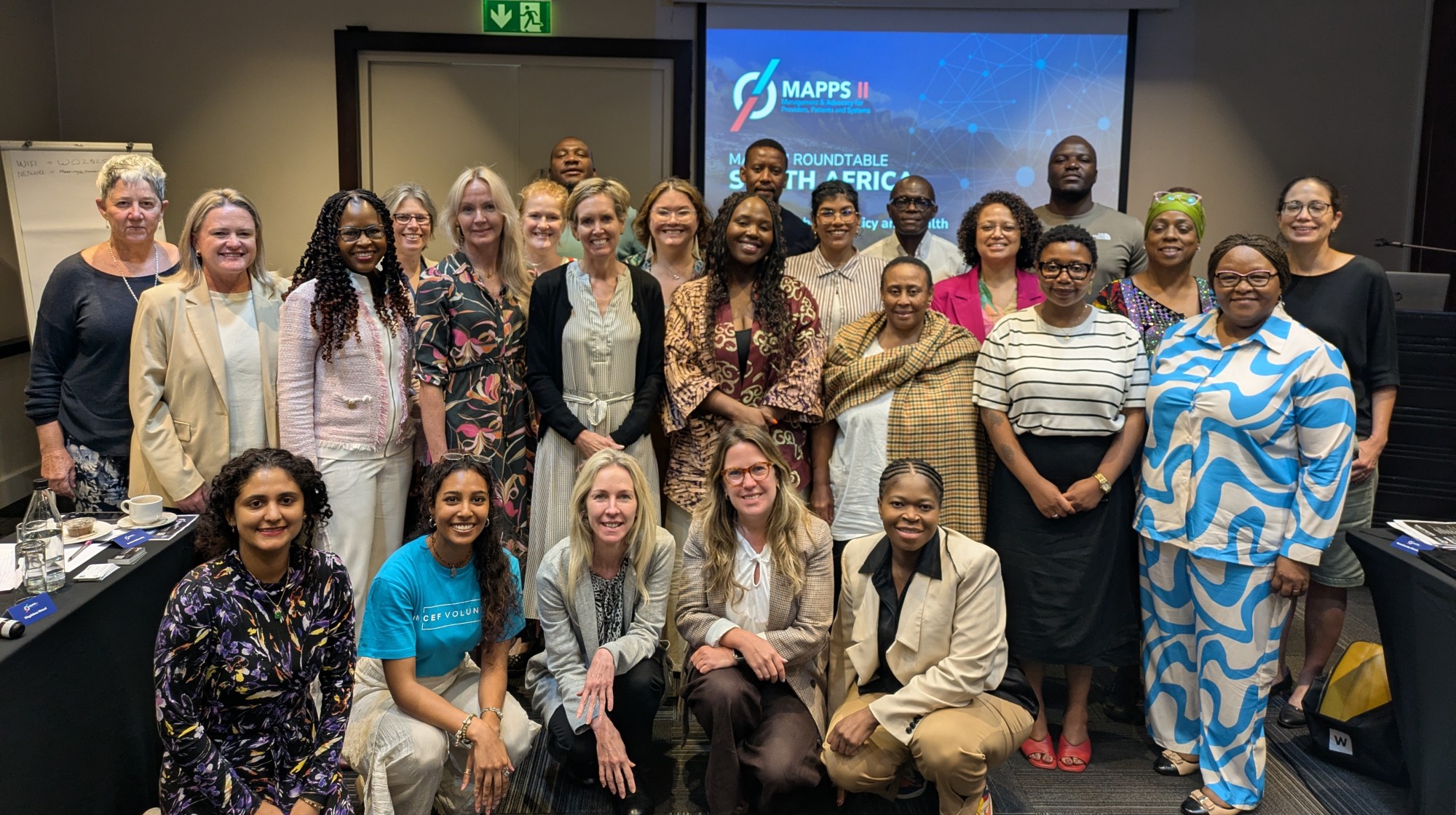
"The breadth of expertise in the room, the honesty about system failures, and the willingness to imagine something better for South Africa’s obesity response, it felt like the beginning of a different kind of coalition." Nomathemba Chandiwana
Key themes and insights
_1_800_800_s_c1.jpg)
Reframing Obesity
Stakeholders highlighted the need to shift from a narrative of individual responsibility toward recognising obesity as a chronic, relapsing disease that requires comprehensive, long-term care. This framing was viewed as essential to improving access, reducing stigma and guiding effective policy.

Life Course Approaches
Participants emphasised interventions across the life course - from maternal and perinatal health to school-aged and adult services - as essential to addressing intergenerational patterns of obesity.
"We want to see a long and healthy life for people, including those living with NCDs"

Equity and Lived Experience
Reducing stigma and addressing structural inequities - particularly for women, rural communities and low-income households - were seen as central to effective policy design. Participants agreed that lived-experience voices should remain integral to future planning.

Multisectoral Alignment
Fragmented responsibilities across departments remain a challenge. There is scope to strengthen regulatory action on food systems, support healthier built environments, and improve coordination across health, education, agriculture and local government.
"Legislation works better than education"

Health System Readiness
Discussions pointed to capacity constraints at primary care level, including limited provider training and fragmented referral pathways. Opportunities included embedding obesity care within routine NCD services and drawing on lessons from South Africa’s HIV response to strengthen care pathways.
The insights shared will help guide the next phase of MAPPS II in South Africa and ongoing engagement with national partners.
As part of World Obesity’s global work on multisectoral action, MAPPS II will continue supporting countries to embed stronger, more equitable pathways for obesity prevention and care.



Get involved with MAPPS II
To participate in the MAPPS II project, you can share your understanding and experience of your country’s obesity health care system, public health and policy landscape in relation to obesity and the broader societal and social context please consider completing one or more of the surveys above, or heading to our webpage.:
MAPPS II