India’s MAPPS II Roundtable: Rethinking obesity through policy, people, and multisectoral action
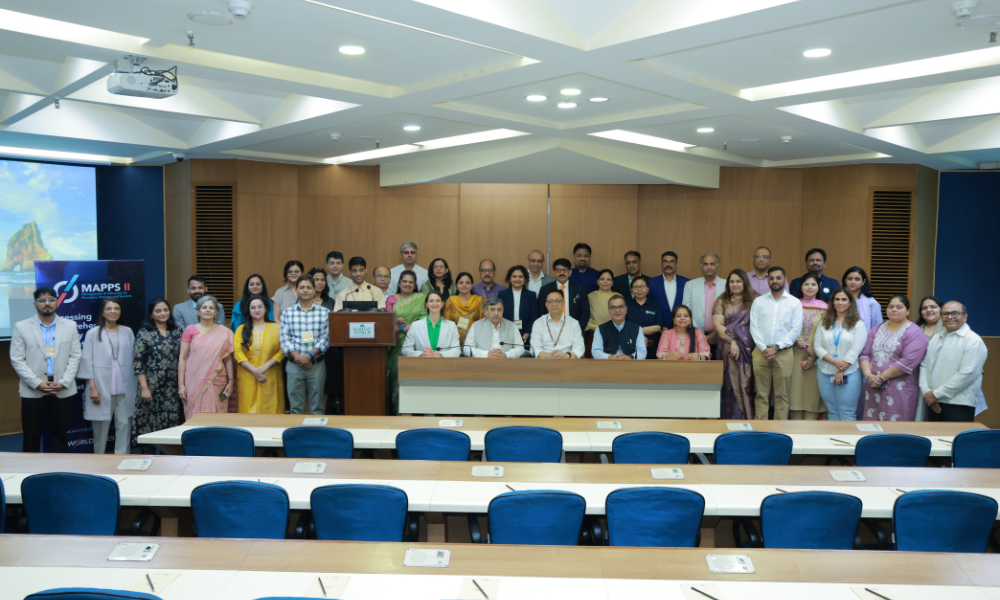
On 23 April 2026, the World Obesity Federation (WOF), in partnership with the Public Health Foundation of India (PHFI), HRIDAY, All India Association for Advancing Research on Obesity (AIAARO), Healthy India Alliance (India NCD Alliance), Diabetes India and United World Against Diabetes, hosted a national MAPPS II multisectoral roundtable in New Delhi, India.
The roundtable formed a central part of India's deep dive under MAPPS II (Management and Advocacy for Providers, Patients and Systems), a multi-country initiative led by the World Obesity Federation that aims to understand how health systems can better support obesity prevention and care, reduce fragmentation in policy and practice, and deliver equitable, multisectoral responses grounded in evidence and lived experience. India has been selected as a focus country for more in-depth collaborative work as part of this global effort, reflecting growing national attention on obesity and related policy developments.
Context
India is experiencing a rapid and inequitable rise in overweight and obesity across its population. Nearly one in four adults aged 15-49 (23.5%) are living with overweight (BMI ≥ 25kg/m2) and obesity (BMI ≥ 30 kg/m2) across urban and rural regions.
These trends are unfolding against a complex backdrop of rapid urbanisation, changing dietary patterns, sedentary work environments, and deep structural inequities, including significant disparities by gender, geography, and socioeconomic status. Obesity in India does not exist in isolation: it compounds the burden of non-communicable diseases, including Type-2 diabetes, hypertension, cardiovascular disease, MASH (Metabolic dysfunction-Associated Steatohepatitis), and certain cancers.
"India ranks second globally in total number of children aged 5–19 living with overweight or obesity, with approximately 41 million children affected. " World Obesity Atlas 2026
Convening experts
The roundtable brought together around 45 stakeholders representing a breadth of expertise from healthcare, public health, policy, civil society and lived experience communities, including Ministry of Health and Family Welfare (MoHFW), World Obesity Federation, State government representatives from Gujarat and Manipur, UNICEF India, PHFI, HRIDAY, AIAARO, Healthy India Alliance/India NCD Alliance, United World Against Diabetes, academic and research institutions including AIIMS and IFPRI, civil society organisations and people with lived experience of obesity.
Key themes and priorities identified
The roundtable surfaced a set of interconnected priorities that cut across individual, interpersonal, community, and systems levels, reflecting the complexity of obesity as a clinical and public health challenge in India. The following themes emerged from the discussion:

Reframing obesity as a chronic disease
A foundational theme throughout the roundtable was the urgent need to shift how obesity is understood by clinicians, policymakers, communities, and the public, from a lifestyle disorder or personal failing to a recognised chronic, relapsing disease with complex biological, social, and environmental drivers.
Participants noted that fragmented and moralistic framings of obesity continue to shape clinical encounters, policy design, and public discourse in India, with significant consequences for care-seeking behaviour, treatment access, and resource allocation.
"Convincing patients and sometimes colleagues that obesity is a chronic relapsing disease, not a lifestyle choice, is still something we have to do every day in practice. We need to change the narrative of obesity as tied to only diet and exercise"
Dr Brij.M. Makkar, President Elect, All India Association for Advancing Research in Obesity (AIAARO), Chair - IDF Obesity Task Force
Read More
Addressing food systems, ultra-processed foods and the commercial environment
Reduced food quality, aggressive marketing of ultra-processed foods, and the growing accessibility of high-calorie, low-nutrient foods were identified as structural drivers of obesity that require regulatory action rather than individual-level responses.
The need for stronger front-of-pack labelling, regulation of food sold in and around schools, and restrictions on digital marketing of unhealthy foods emerged as clear priorities, drawing on international evidence, including India's own experience with sugar-sweetened beverage discussions.
"There should be diversity in foods sold at airports instead of just fast food and packaged foods. I have never seen fresh fruits sold in popular places or malls. If you are surrounded by fast foods and stale foods, you will end up eating that only.”

Recognising the role of the workplace in driving and addressing obesity
Sedentary work patterns, long working hours, stress, irregular meal timings, and limited access to healthy food options in workplace settings all contribute to weight gain, particularly among urban working-age adults.
Stakeholders emphasised the need to include wider departments such as the Ministry of Labour and Employment to develop structured workplace wellness programmes, help increase access to physical activity facilities, and implement employer-level policies that support healthy behaviours.
"Commercial determinants cannot just focus on individual factors like food consumption patterns and physical exercise, or the availability of open spaces. We also need to understand how livelihood, quality of work, and environmental factors impact health and disrupt wellbeing.”
Dr Nitin Kapoor , Christian Medical College, Vellore, India
Read More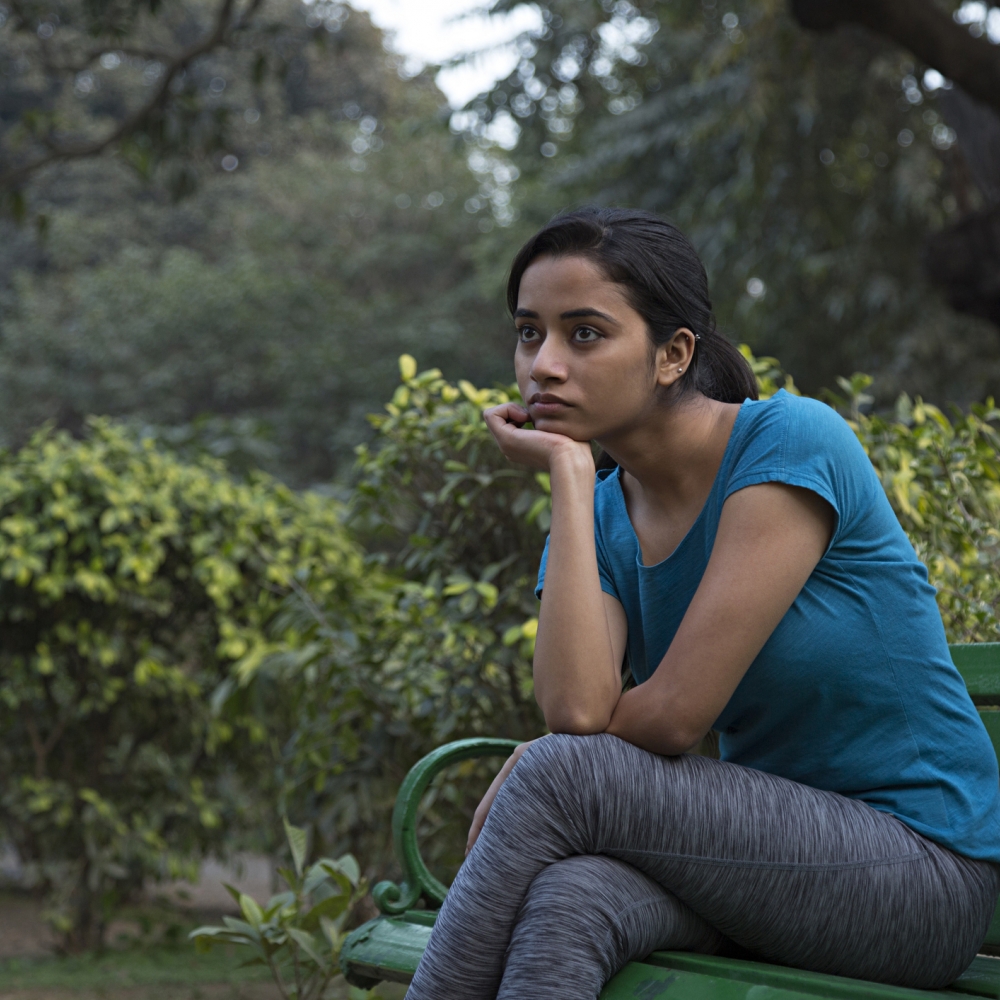
Acknowledging the role of stigma and mental health in obesity care
Stigma associated with obesity was identified as a pervasive and largely invisible barrier to care. People with lived experience described experiences of being judged, dismissed, or made to feel responsible for their condition within healthcare settings, contributing to delayed help-seeking, disengagement from care, and significant impacts on mental health, confidence, and self-perception.
Participants called for the integration of stigma-reduction training into healthcare professional education, learning from the HIV response, the development of gender-responsive clinical guidelines that account for different experiences of obesity among women and men, the provision of appropriate mental health support through services for obesity care and the meaningful inclusion of people with lived experience in the design of health programmes and policies.
“Stigma among healthcare professionals regarding obesity is very high, yet it often remains invisible to those delivering care, who may be unaware of their own weight bias. Removing the bias and stigma around obesity must come from all sectors, including the government.”
Dr Purvi Chawla, Consultant Diabetologist, Mumbai, Secretary of IDF Women and Diabetes
Read More
Valuing multistakeholder and multidisciplinary engagement
Stakeholders emphasised that effective responses must bring together expertise from people living with obesity, behavioural psychology, medical anthropology, nutrition science, urban planning, education, food systems, and social protection, alongside medical and public health professionals, to develop policies and programmes that reflect the full complexity of obesity.
Discussions also highlighted wider environmental barriers to healthy living, including air pollution, unsafe or inaccessible spaces for physical activity, and broader urban design challenges. There was also strong consensus around the value of community-level interventions, particularly in schools and workplaces, as the most promising and convergent sites for prevention.
"Any NCD issue is a multi-sectoral issue, as just the policy makers cannot tackle this alone, many other stakeholders are required. We want to bring together perspectives across health, research, civil society, government and lived experience champions who are amongst us, looking beyond individual policies to how the system is working in practice.”
Strengthening policy coherence and adopting a life course approach
Participants emphasised that obesity-related action should not be limited to early life alone, but should span preconception, maternal health, childhood, adolescence, adulthood, and healthy ageing, with greater attention to gender-responsive approaches and transitions across the life course.
Several discussions also highlighted the need to better align obesity efforts with wider strategies to reduce fragmentation and improve continuity of care. Experts also called for universal screening across all ages and for progress to be measured not only through weight or BMI, but through outcomes that matter to people’s daily lives and functioning, as well as to health systems.
"We need to stop measuring success by weight and BMI alone, and start asking what truly matters to people. For many people over 50 or living with other conditions, the real fear isn't dying from obesity. It's losing the ability to live well and independently. It's not being able to carry your grandchildren or join in activities that keep you connected to life. We need approaches that are inclusive of who we actually are."
Mr Devang Gandhi, Lived Experience Advocate, Mumbai
Read More
Embedding equity and inclusion
The roundtable also highlighted the paradox of food insecurity and obesity co-existing in the same communities, driven by the relative affordability and accessibility of energy-dense, nutrient-poor foods compared to fresh produce.
Any regulatory response, participants noted, must be grounded in equity and avoid disproportionate harm to low-income populations. Recommendations included the prioritisation of at-risk populations such as children and young people through community-based delivery and social support systems as well as the integration of lived experience and youth engagement.
“We must move beyond episodic care and adopt a life course strategy for obesity prevention and management in women. This means aligning policy, healthcare systems, and community action to support women at every stage of life - because healthier women build healthier societies.”
Dr Hema Divakar, Senior Consultant Obstetrician and Gynaecologist and Division Director Well Women Healthcare, International Federation of Obstetrics and Gynaecology
Read MoreWhat’s next
The findings from the India roundtable will feed into the broader MAPPS II evidence base, contributing to the India deep dive and cross-country analysis on what works — and what needs improving — in obesity policy and care.
The World Obesity Federation will continue its engagement in India throughout 2026, supporting capacity-building, policy dialogue, and the amplification of lived experience voices.
Take part in our MAPPS II survey
Those interested in contributing can take part in surveys and register for updates via the MAPPS project page.
Take part