Global Obesity Forum 2026
Oct 26, 2026
26 October 2026 | Fundación Telefónica, Madrid, Spain
The Global Obesity Forum in 2026 comes at a pivotal moment for global obesity action.
As governments take stock of progress at the Global Obesity Summit, the Forum will bring the wider obesity community together to ask what comes next - and what each part of the ecosystem can contribute to accelerating progress towards 2030.
Held alongside the Madrid Global Obesity Summit co-hosted by WHO and the Government of Spain in collaboration with UNICEF and World Bank, World Obesity Federation’s annual flagship convening – the Global Obesity Forum - will focus on shared accountability for progress across the obesity ecosystem. While governments retain responsibility for public policy, successful implementation depends on the contributions of health system actors, international organisations, scientific and professional communities, civil society, people living with obesity, youth and other stakeholders. The Forum will bring these perspectives together to consider the roles each can play in accelerating progress under the WHO Acceleration Plan.
About the Forum
Obesity remains one of the most significant public health challenges facing countries today, with progress now dependent on translating commitments into sustained action. The WHO Acceleration Plan to Stop Obesity provides a framework for this, and in October 2026 the Government of Spain, WHO, UNICEF and World Bank will convene the Global Obesity Summit, a Global Stocktaking to assess country progress and consider how action can be accelerated towards 2030.
This is a vital opportunity for the wider obesity community, including civil society, scientific and professional communities, people living with obesity, youth and other stakeholders, to bring their perspectives on implementation, barriers and what's needed to sustain progress.

What the Global Obesity Forum 2026 will do
- Advance the conversation on shared accountability, exploring the distinct and complementary roles different actors play in supporting implementation and progress.
- Bring implementation experience to the table, surfacing common challenges, emerging opportunities and lessons from different countries and settings.
- Put lived experience and civil society at the heart of the discussion, ensuring that perspectives on how policies, systems and services are experienced in practice are part of the global conversation on progress.
- Connect the global obesity community, creating opportunities for exchange between policymakers, scientific and professional communities, civil society, people living with obesity, youth and other stakeholders.
- Build momentum beyond Madrid, capturing key perspectives, priorities and areas of convergence to inform thought leadership, policy and country engagement, and continued dialogue through the Global Obesity Coalition.



A deliberately global and inclusive Forum
GOF 2026 will bring together approximately 100 invited participants, including:
- Governments and policymakers
- WHO and other UN agencies
- Scientific and professional societies
- International experts and academics
- Healthcare professionals and practitioners
- Civil society organisations
- People with lived experience of obesity
- Youth
- National and local implementation actors
- Philanthropy and other relevant stakeholders
Participation will be curated to ensure diversity across regions, sectors and disciplines, with particular attention to low- and middle-income countries and the meaningful participation of civil society, people with lived experience and youth.
What to expect
GOF 2026 will be designed as an interactive Forum, combining high-level perspectives with lived experience, implementation expertise and facilitated discussion, including:
- Opening keynotes setting the context for the next phase of implementation of the WHO Acceleration Plan and the importance of accountability for progress.
- Multistakeholder panel discussions exploring implementation experience and the roles of different actors across the obesity ecosystem.
- A fireside conversation with people with lived experience of obesity, bringing lived expertise directly into the policy discussion.
- Facilitated breakout discussions, enabling participants to contribute their own experience and explore specific dimensions of implementation and accountability.
- Interactive audience dialogue, bringing together themes, challenges and opportunities emerging across the Forum.
- Government reflections in a dedicated closing session led by representatives from the Government of Spain and WHO, bridging the Forum and the Summit, covering priorities identified by participating countries, emerging themes from the day’s discussions and opportunities for collaboration with the wider obesity community.
- Networking Reception to conclude - an informal opportunity for participants from the Summit and the Global Obesity Forum to continue discussions, strengthen relationships, encourage future collaboration across sectors, and welcome global leaders to Spain.
Download our agenda here
Global Obesity Forum 2026 Agenda
Download (3.24 MB)Speakers
Hear from global leaders, experts, and advocates shaping the future of obesity prevention and care. Our speakers bring diverse perspectives - from science and healthcare to policy and lived experience - ensuring a rich and inspiring exchange of ideas.
Johanna Ralston
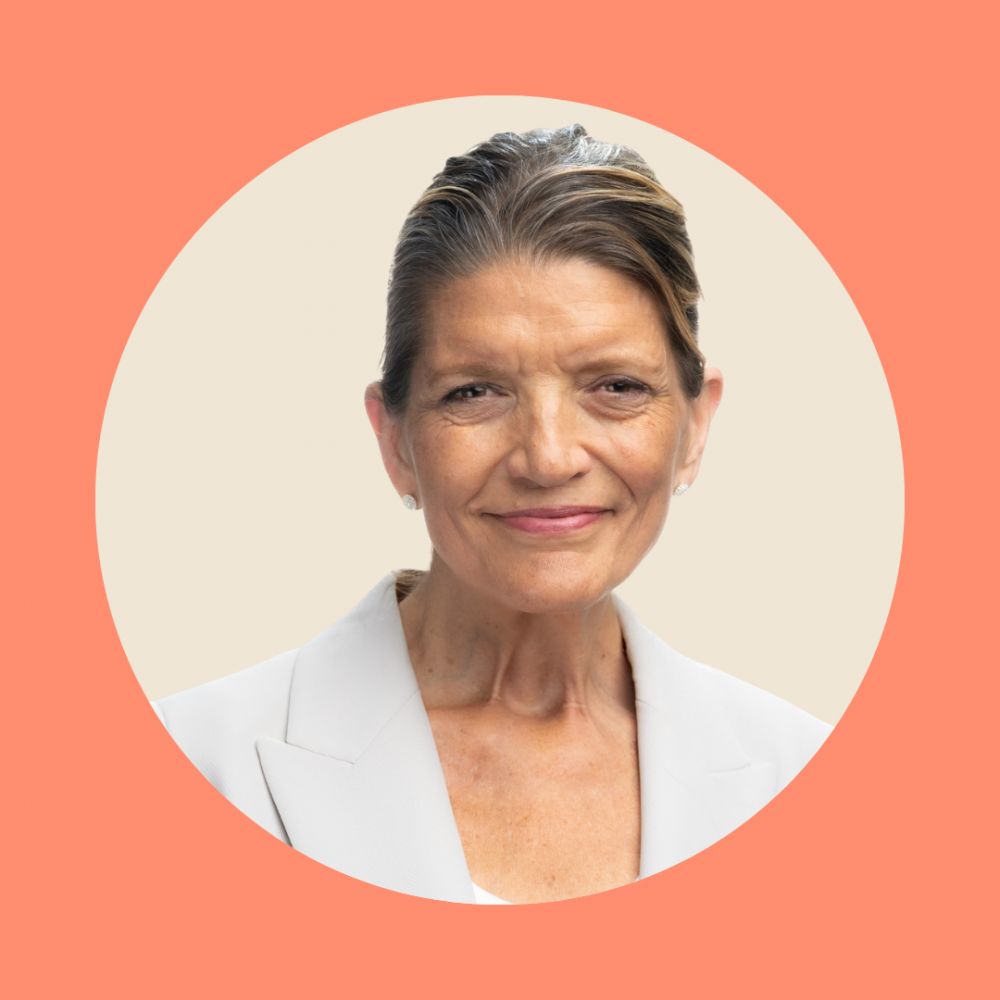
Johanna Ralston has been CEO of the World Obesity Federation since 2017. She works with a global network of over 100 member organisations, alongside expert boards and committees, to advance the Federation’s priorities across advocacy, convening, education, and data and science.
Under her leadership, the Federation has strengthened its role as a global voice on obesity, working with governments, the World Health Organization and international partners to support country-level action and promote person-centred, evidence-based approaches to prevention and care. In 2025, she led the launch of a new three-year strategy to accelerate progress on obesity worldwide.
Previously, Johanna served as CEO of the World Heart Federation and as VP of Global Affairs at the American Cancer Society, where she led international cancer and tobacco control programmes.
A dual citizen of the United States and Sweden, she is also a lived experience advocate and a strong voice for reducing stigma and improving access to care.
Read More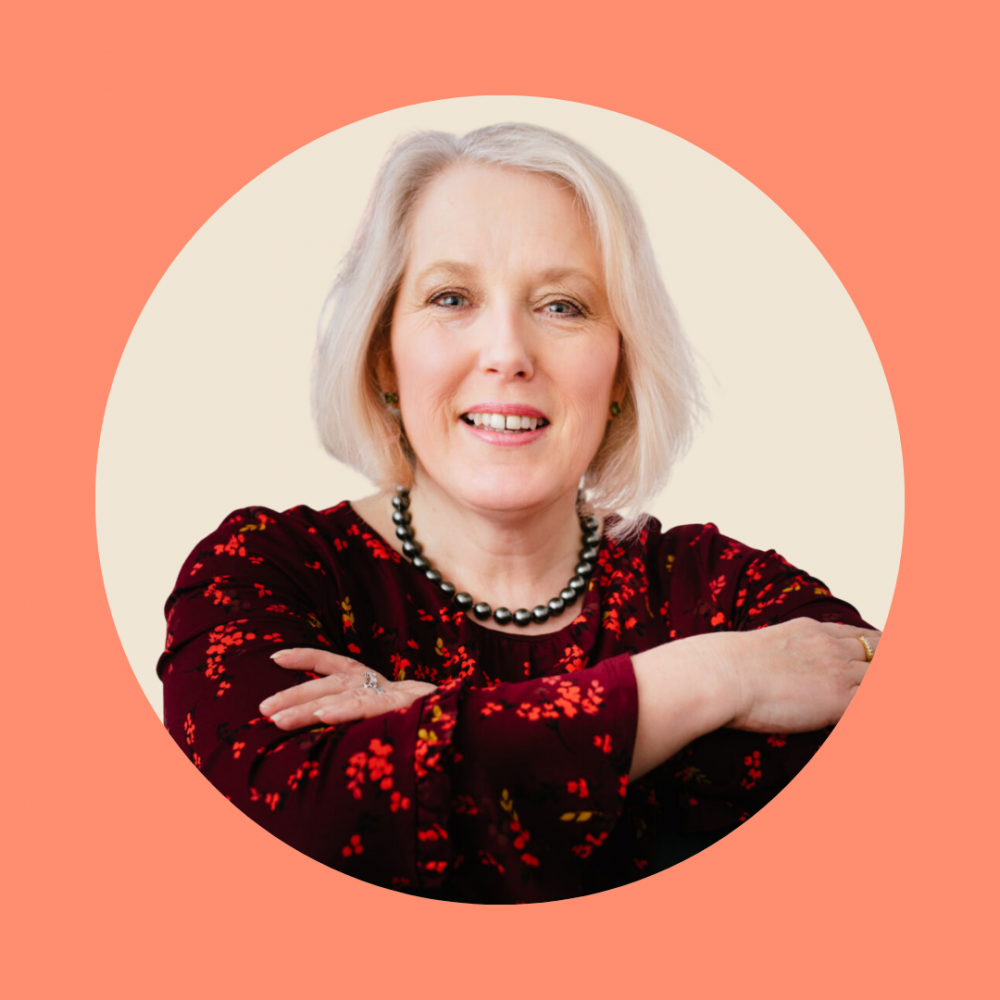
Jacqui Thornton
Jacqui has been a journalist for 30 years, with a background in news reporting in the UK and internationally for the Daily Telegraph, the Sunday Express and the Sunday Telegraph. She began specialising in 1999 as health correspondent for the Sunday Telegraph and in 2000 became the Sun’s first Health Editor, covering the NHS, pharmaceuticals and health policy. As a staff journalist she had international reach, reporting from Uganda, Hong Kong, Sri Lanka, Bermuda and all over Europe.
Since 2007 she has built up an impressive portfolio as a global health journalist, working for the Lancet, BMJ, Nature, CNN International, the Guardian, Sunday Times, Independent and many others. She has reported from some of the hardest to reach communities in the world with unique health challenges – Somalia, Myanmar, Tajikistan, Tanzania, Uganda, Samoa, as well as South Africa, Brazil, Mexico and Rwanda. She has won multiple awards for her work.
At the same time, she has developed a specialist media training business advising global and UK pharmaceutical and healthcare clients, humanitarian organisations, medical and patient societies and many others and is a moderator of global panels and meetings.
Read More
Dr Francesco Branca
Francesco Branca MD, PhD, is Invited Professor in the Institute of Global Health of Geneva University.
In 2008-2024 he has been the Director of the Department of Nutrition (then Nutrition and Food Safety) in WHO, Geneva and in 2005-2008 Regional Nutrition Advisor in WHO/EURO. In 1988-2005 a Scientist at the Italian Food and Nutrition Research Institute.
Prof. Branca graduated in Medicine and Surgery and specialized in Diabetology and Metabolic Diseases at the Universita' Cattolica del Sacro Cuore, Roma and obtained a Msc in Nutrition and a PhD at Aberdeen University.
Read More
Dr Santiago Gómez Santos
Dr. Santi F. Gómez is the Director of programmes and research for the Gasol Foundation in Spain. He is a psychologist, master in community health and well-being, master in public health and doctor of biomedicine with a thesis focused on the analysis of the prevalence, determinants and preventive interventions of childhood obesity. His professional experience in the third sector and public health agencies has always focused on the design, implementation and evaluation of health promotion interventions at the community level. He is the principal investigator of several studies at the national level, and a professor at the University of Lleida (Spain).
Read More
Dr Bruno Halpern
Dr Bruno Halpern graduated and completed a fellowship in Internal Medicine, as well as in Endocrinology and Metabolism at the University of São Paulo, Brazil. He also has a PhD in Sciences from the University of São Paulo, studying circadian rhythms and brown adipose tissue.
Bruno is the current President of World Obesity Federation, chief-director of the Obesity Centre of Hospital 9 de Julho, São Paulo, Brazil and a medical collaborator at the Obesity Group at the University of São Paulo. He also acts as an Associate Editor of the journal 'Clinical Obesity'. He is a PI in Endocrinology in 'BrTrials', a clinical research centre in São Paulo, dedicated to clinical trials.
Read More
Dr Sara Suliman
Dr. Sara received her specialist clinical and research training at the world-renowned Oxford Centre for Diabetes, Endocrinology and Metabolism. The training included tertiary care endocrinology for the treatment of complex cases with ovarian, pituitary, adrenal, pancreatic, thyroid and parathyroid disorders and hypertension. Her career has been shaped by her interest in genetic endocrine disorders (particularly in diabetes and obesity), physiology, insulin resistance and obesity.
She was awarded a prestigious Diabetes-UK Clinical Research Training Fellowship culminating in a DPhil (PhD) from Oxford University. Dr. Suliman has authored several papers, and presented her research at major international conferences. She contributed to the Oxford Handbook for Diabetes and Endocrinology and is a reviewer for leading medical journals. She has also been a founding member of the Imperial Diabetes Educator course since 2013, and a key member of the ICLDEC MRCP Exam Preparation course run by ICLDEC. She is an Honorary Senior Lecturer at Imperial College London, UK.
Dr. Suliman leads the genetic service at ICLDEC, focusing mainly on the genetics of diabetes and endocrine disease. She is also a member of the bariatric team, who treats the whole spectrum of obesity, ranging from lifestyle measures to medication and/or surgery. She is a member of the ICLDEC App development team and was the physician responsible for reviewing the content in patient information leaflets.
She also leads the Bariatric Service at ICLDEC (which is recognised as a Centre of Excellence by the European Association for the Study of Obesity), which provides a whole spectrum of management options for obesity, ranging from lifestyle measures to medication and/or surgery (pre- and post-operative care) as part of the Joint Centre for Bariatric and Metabolic surgery, in collaboration with Healthpoint, a Mubadala Health Partner.
Dr. Suliman is part of a team of endocrinologists selected by the Emirates Diabetes and Endocrinology Society to update the National Guidelines for management of type-2 diabetes (2020). She is also joint UAE representative in the World Obesity Federation: Gulf & Lebanon Recommendations Experts Group - made up of obesity and policy professionals - to guide the writing, development and dissemination of regional recommendations for the prevention, treatment and management of obesity.
In 2021, Dr. Sara Suliman was recognised as an EASO National Clinical Fellow by the European Association for the Study of Obesity (EASO).
Read More
Karen Sealey
In her 26 years with the Pan American Health Organization/World Health Organization (PAHO/WHO), Dr Karen Sealey held several senior positions, at the subregional, regional and global levels. As the Caribbean Program Coordinator, she spearheaded the adoption of the Caribbean Health Promotion Charter; established the Awards for Excellence in Health Journalism; raised the profile of non-communicable diseases (NCD) and mental health in national health plans and published the inaugural edition of Health Conditions in the Caribbean.
Dr Sealey was seconded to UNAIDS for three years as the Director, Regional Support team for the Caribbean. In her final posting with PAHO/WHO, she served as PAHO/WHO’s first Special Adviser at the UN. Here, in prime place among her technical support to the Latin American and Caribbean Permanent Missions to the UN, Dr Sealey provided strategic leadership and coordination for CARICOM’s advocacy that led to the adoption of the 2011 UN Political Declaration on the prevention and control of NCDs.
Since her retirement, Dr Sealey has completed several national and international consultancies including preparing the first draft of the Trinidad and Tobago NCD Plan and served as the Executive Technical Adviser to the Minister of Health, Trinidad and Tobago, 2016-19.
Karen Sealey is the Founder and current Chair of the Trinidad and Tobago NCD Alliance (TTNCDA) – an organisation of 13 Civil Society Organizations (CSO) which advocates for implementation of government’s commitment to action for the prevention and control of NCDs. Dr Karen Sealey is also a member of the Boards of the Healthy Caribbean Coalition (HCC), the InterAmerican Heart Foundation (IAHF) and the World Obesity Federation (WOF). Dr Sealey is the Past Chair of the Chest and Heart Association of Trinidad and Tobago (CHATT).
Read More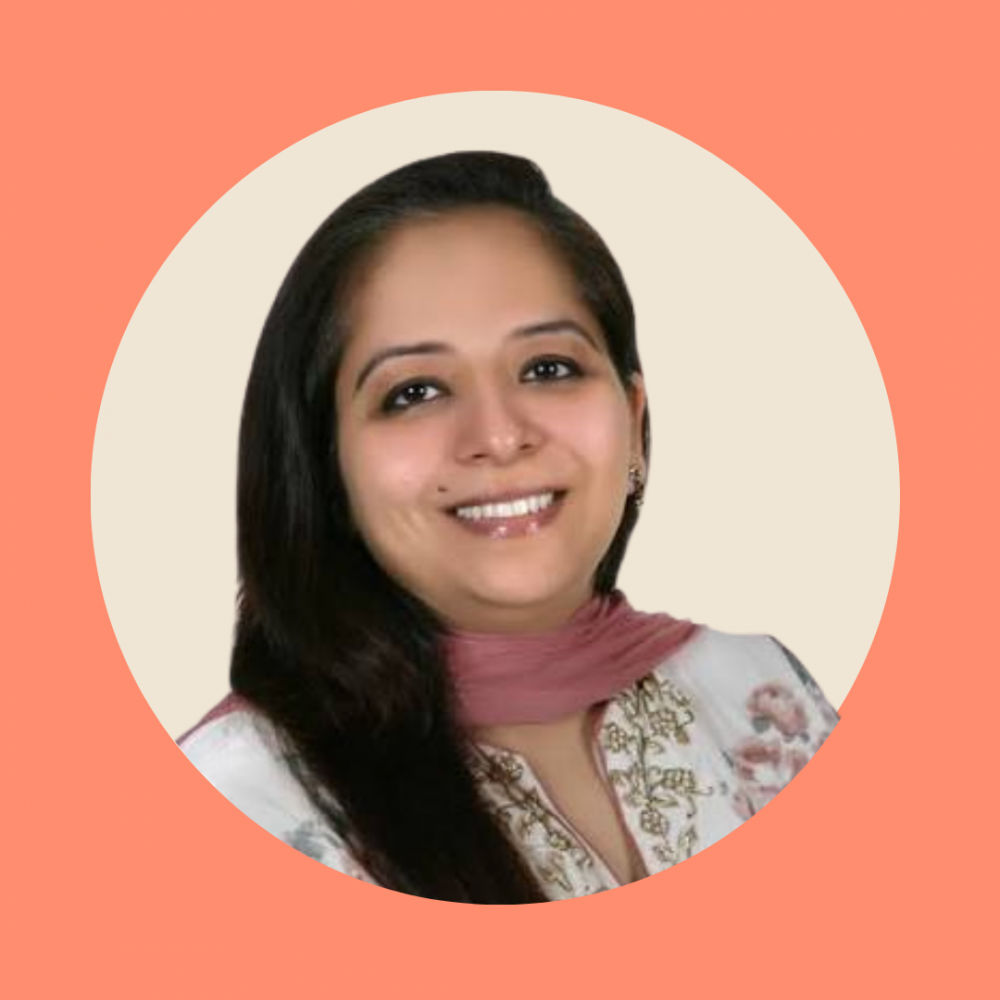
Monika Arora
Prof. Monika Arora is a public health scientist and global leader in health promotion and the prevention and control of non-communicable diseases (NCDs), with expertise spanning child and adolescent health, oral health, behavioural science, and implementation research. She serves as Vice President (Research and Health Promotion) at the Public Health Foundation of India (PHFI) and is the Director of the Centre for Empathic Healthcare in India.
Her research focuses on epidemiology, implementation science, behavioural and policy research, mixed-methods research, and the design and evaluation of group-randomised controlled trials, conducted as part of a multidisciplinary research team within the Health Promotion Division. With more than 200 peer-reviewed publications, her work has generated evidence that has shaped national health policies and programmes in India and across Southeast Asia. She has held several influential global leadership roles, including Immediate Past President of the NCD Alliance (2023–2025) and Founding Chair of the South-East Asia NCD Alliance (2020-2023).
Prof. Arora has made extensive contributions to global public health through leadership in international expert groups, including serving as a Commissioner on the Lancet Commission on Adolescent Health in 2017, as a Member of the Ad Hoc Working Group on Implementation, Monitoring and Accountability formed by the WHO Director-General on Ending Childhood Obesity in 2014, and currently as a Commissioner for the Nature Medicine Commission on Quality Information for All. Her contributions to advancing NCD prevention and adolescent health have been recognised with several prestigious national and international honours, including the WHO Director-General's World No Tobacco Day Award, the Global Health Council Best Practices Award, and the Society for Adolescent Health and Medicine International Chapter Award. She is also the editor of the book Public Health Approaches to Health Promotion, which offers a contemporary global perspective on health promotion with a focus on South Asia.
Read More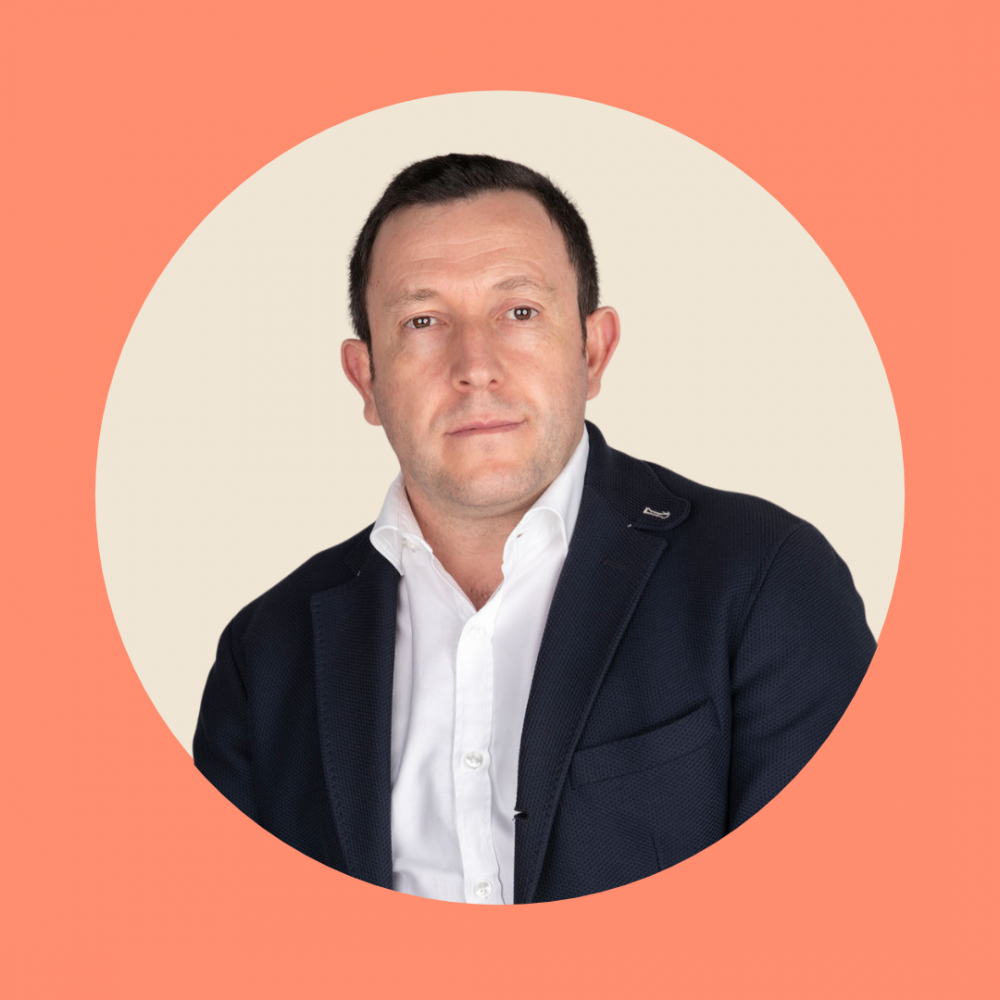
Dr José Manuel Fernández García
José Manuel Fernández García is a family physician and Head of the Primary Care Service at Valga Health Centre in Pontevedra, Spain.
Academic Qualifications:
- Specialist in Family and Community Medicine (1998–2001)
- PhD in Medicine, University of Santiago de Compostela (2012)
- Associate Professor in Health Sciences (University of Santiago de Compostela)
- Accredited by ACSUG (Agency for the Quality of the University System of Galicia) as a contracted PhD professor and private university professor
- University Specialist in Palliative Care
- University Expert in Clinical Nutrition
- Member of the Health Research Institute of Santiago de Compostela (IDIS) – Group E015 (Gen PoB)
- Member of the Nutrition Group of SEMERGEN (Coordinator, 2017–2025)
- Associate Editor for the special issue on Obesity in the journal *Revista de Medicina de Familia-SEMERGEN* (July 2024–March 2026)
Professional Experience:
- Family Physician at the Valga Health Center currently Head of the Primary Care Service
- Physician for residential care facilities under the Xunta de Galicia (currently on a leave of absence)
- Coordinating Physician for the Galicia 061 emergency response center (2007–2013)
Teaching Experience and other notable achievements:
- Associate Professor in Health Sciences: Family and Community Medicine (University of Santiago de Compostela)
- Editor in the journal *Semergen*: "Obesity and family and community medicine: Beyond body mass index." Fernández-García JM, Martín-Sánchez V. Semergen. 2026;52:102812
- Member of the expert committee and co-author of the document "The Unequal Burden of Obesity: The Impact of the Social Determinants of Health." Gaspar-Casal Foundation, Madrid, 2025
- Doctoral thesis: "Physical activity among young people in Santiago de Compostela." 2012. URI: http://hdl.handle.net/10347/7141
Salih Hendricks
Salih Hendricks is an international lived experience researcher, global health advocate, speaker and peer leader based in Cape Town, South Africa. He has lived with type 1 diabetes for over four decades, and with obesity, diabetes-related complications and disability.
Salih is a Research Assistant in the Inclusive Practices Africa Research Unit at the University of Cape Town’s Department of Health and Rehabilitation Sciences, where he supports disability-inclusive health research, community engagement and knowledge translation.
His work bridges lived experience with research, education and policy to improve person-centred care for people living with obesity, diabetes, disabilities and other non-communicable diseases. He advocates for equitable healthcare, disability inclusion, stigma reduction and better access to evidence-based obesity and diabetes care, particularly in low- and middle-income countries.
Salih is a member of IDF Blue Circle Voices, founder of Diabetes Peer Empowerment & Preservation, and a member of the steering committee of the South African Non-Communicable Diseases Alliance. He has spoken at events including the International Congress on Obesity and the World Obesity Federation’s Lived Experience Summit.
Read More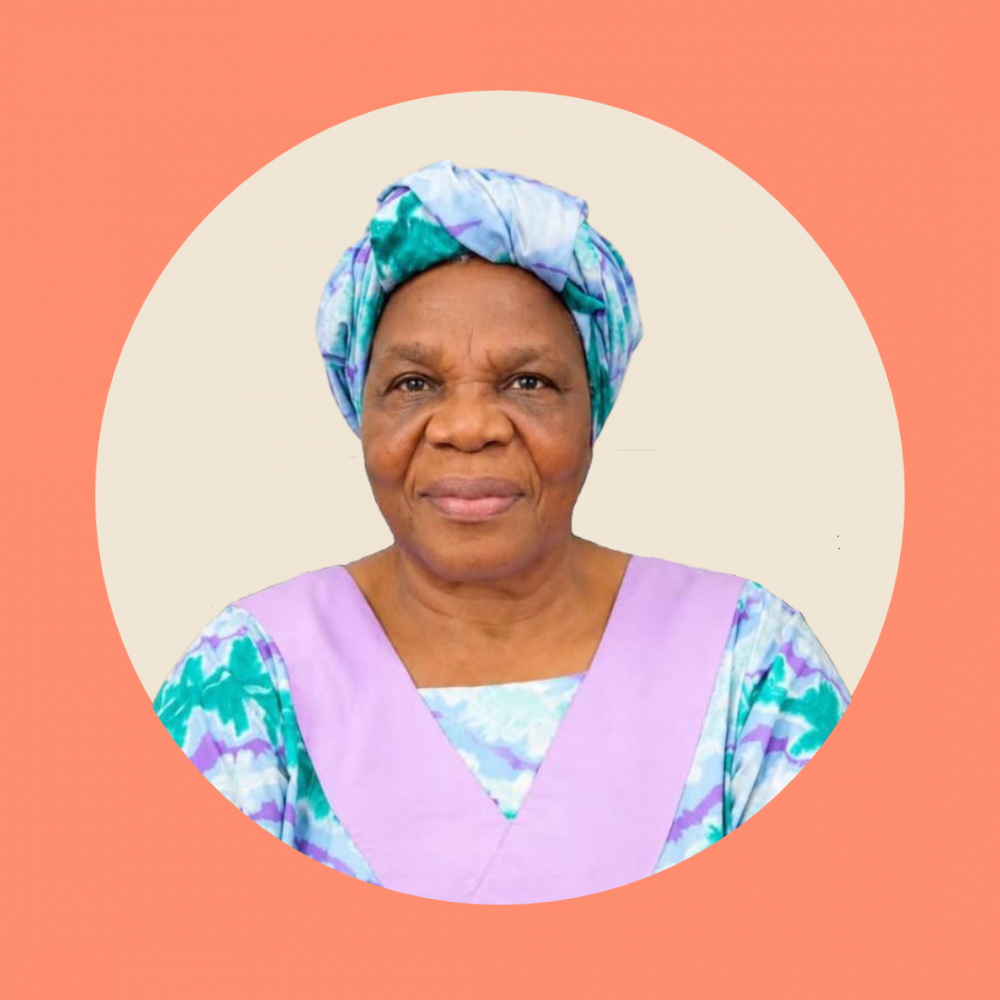
Brenda Chitindi
Brenda Chitindi is a Founder and Executive Secretary of the Zambia Heart Stroke Foundation, with lived experience of obesity, hypertension and arthritis. She is also a Founder and Executive Director of the Tobacco Free Association of Zambia and Co–Founder and National Focal Point of the Zambia NCD Alliance.
Drawing on her lived experience of NCDs, Brenda has been an influential public health advocate for over 30 years, with leadership in advocacy, policy engagement and investigative research nationally, regionally and internationally.
Her policy, advocacy and global health networks include:
- World Obesity Federation
- World Heart Federation
- Global Heart Hub
- Union for International Cancer Control
- Women and Heart Network
- WHO Nutrition and Food Systems Community of Practice
- FH Europe
- Global Alliance for Tobacco Control
- National Forum for Heart Diseases and Stroke Prevention
- Global NCD Alliance
- African NCD Network
- Africa Tobacco Control Alliance
Javier Calatrava Sanchez
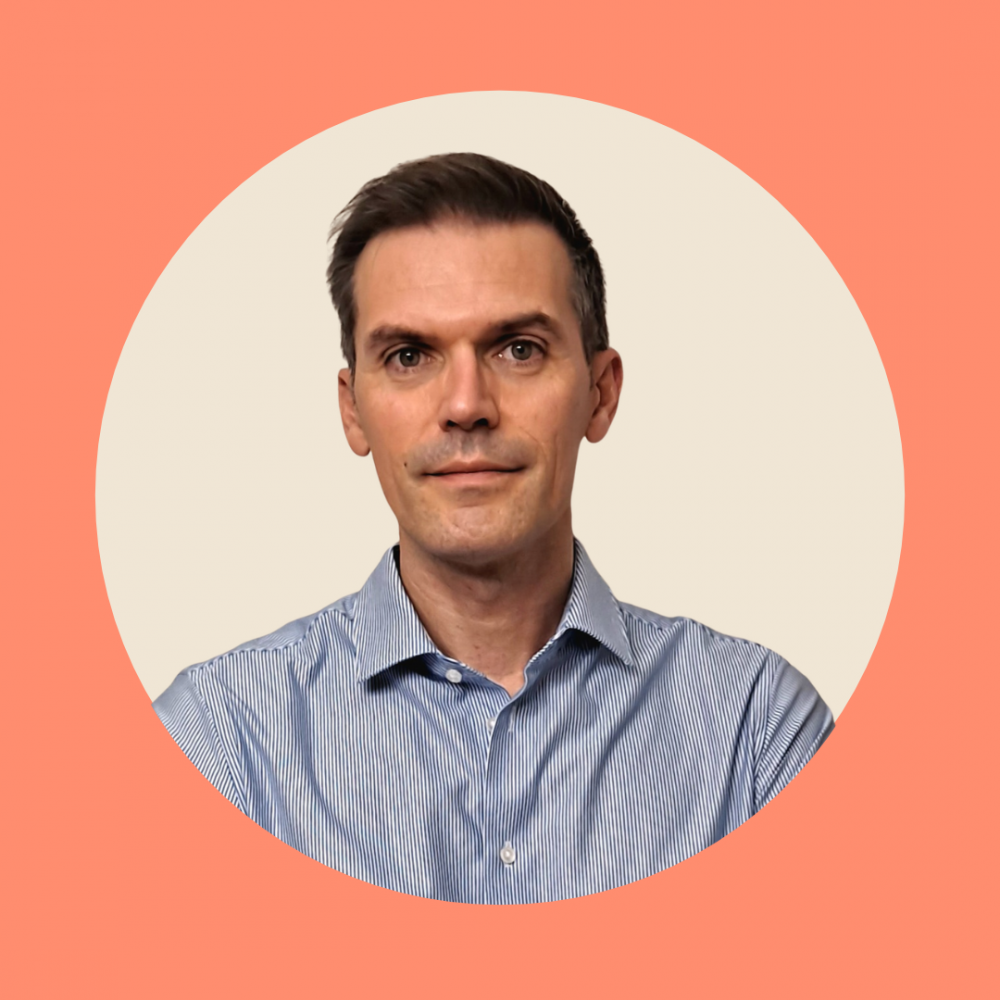
Javier Calatrava Sanchez is a specialist in Family and Community Medicine and the coordinator of the prevention and health promotion strategy for Madrid City Council. Since 2021, Javier has worked for Madrid Salud, the public health agency of the Madrid City Council, where he has coordinated the prevention and health promotion strategy. Javier has also previously been actively involved in training family and community medicine specialists, including doctors and nurses. He has worked as a physician in primary care centres and hospitals in Madrid.
Based in Madrid, Javier has experience in designing and implementing public health strategies with a particular focus on non-communicable diseases and health problems according to life stages. Javier holds a Master's degrees in Health Planning and Management, as well as in Clinical Research in Medicine. Javier is committed to advancing multisectoral approaches to improving population health.
Read MoreConnecting national experience with global action
Accountability happens both globally and within countries. The focus on shared accountability also reflects World Obesity’s country engagement. Through initiatives including MAPPS, evidence and stakeholder dialogue help build a shared understanding of how obesity is being addressed within national policy and health systems, where gaps remain and what different stakeholders see as priorities for progress.
GOF brings these different country experiences and perspectives into a global conversation on implementation, participation and shared accountability - complementing the government-led Summit and connecting national experience with global action.
Register for the free livestream
Register to join the free virtual livestream of the Global Obesity Forum - World Obesity Federation's annual flagship convening. Join online to watch the livestream of the event.
For any questions, please contact events@worldobesity.org.
Register hereThis event is partially supported by sponsorships from Novo Nordisk A/S, Eli Lilly and Company and Boehringer Ingelheim. None of the companies have had any control or influence over the content of the event, or any materials/activities that were developed as part of this funding. You can find more information on how we engage with partner organisations here.