World “failing” on obesity as over one-in-five school-age children now estimated to be living with obesity or overweight
World "failing" on obesity as over one-in-five school-age children now estimated to be living with obesity or overweight
- Fears of stark rise in children living with conditions such as hypertension, as World Obesity Federation calls for greater emphasis on monitoring of and action on obesity, including sugar taxes and marketing restrictions
- Estimates suggest that by 2040, 507 million school-age children will be living with overweight or obesity.
- At least 120 million school-age children are expected to have early signs of chronic disease such as hypertension and cardiovascular disease due to overweight and obesity by 2040
The World Obesity Federation has warned today that the world was set to miss the 2025 global target to halt the rise in childhood obesity. And despite the deadline now being extended to 2030, most countries remain off track.
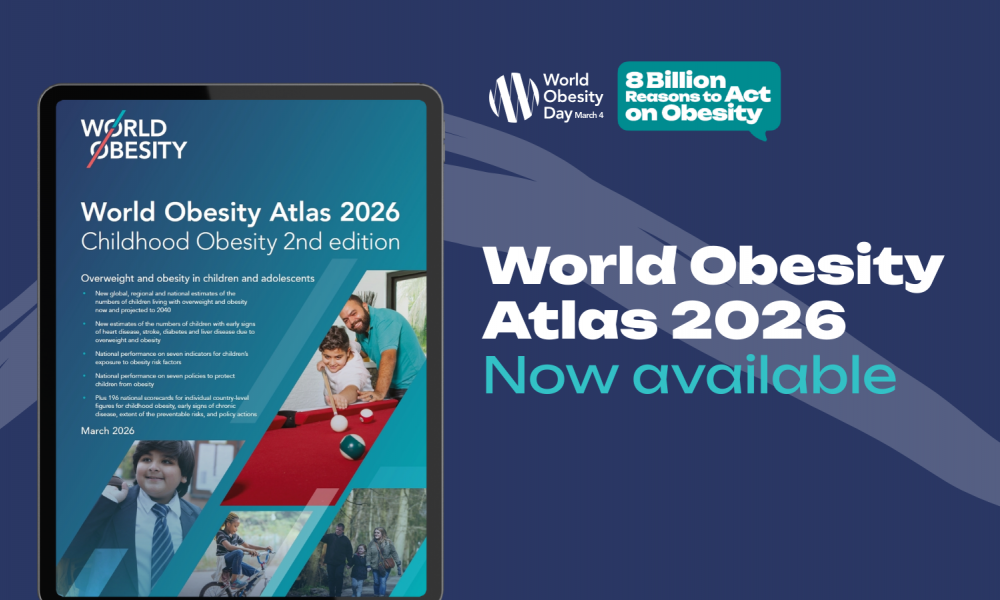
According to the World Obesity Atlas 2026, released on World Obesity Day (4 March), more than one in five (20.7 per cent) 5-19 year-olds worldwide are living with obesity and overweight - an increase from 14.6 per cent in 2010. World Obesity Federation predicts that by 2040, a total of 507 million children will be living with overweight or obesity.
Childhood obesity and overweight lead to similar conditions as seen in adults, including hypertension and cardiovascular disease: it is estimated that by 2040, 57.6 million children will show early signs of cardiovascular disease, and 43.2 million will show signs of hypertension.
The Atlas shows how action to address childhood obesity remains inadequate worldwide, with many countries falling short across the spectrum of policies needed for prevention, monitoring, screening and management.
Read the atlas


Strong action is required to reverse current trends, including taxes on sugar-sweetened beverages, restrictions on marketing to children (including digital platforms), implementation of global physical activity recommendations for children, protection of breastfeeding, healthier school food standards, and integration of prevention and care into primary health systems.
World Obesity Federation chief executive Johanna Ralston said:
"The increase in childhood obesity worldwide shows we have failed to take seriously a disease that affects one in five children. Governments urgently need to step up prevention and management efforts for children living with overweight and obesity, and ensure that they receive the care they need."
Atlas 2026"We need to implement policies to create healthy environments, whether children are at home, school or out and about: We know that taxes on sugar-sweetened drinks and limits on advertising unhealthy food to children work, alongside greater access to physical activity and monitoring that starts in primary care. There is no reason to hesitate in bringing these about: it is not right to condemn a generation to obesity and the chronic and potentially fatal non-communicable diseases that often go with it."
Action to reduce children’s exposure to obesity risk factors remains inadequate, according to the Atlas. And while obesity has previously been associated with higher-income countries, increases in prevalence of obesity and overweight are now occurring most rapidly in low and middle-income countries.
Related Resources
View allReports World Obesity Day Mar 04, 26
World Obesity Atlas 2026
The World Obesity Atlas 2025, released for World Obesity Day 2026,
View Resource