Ultra-processed foods are fuelling global health harms: New Lancet Series calls for urgent action
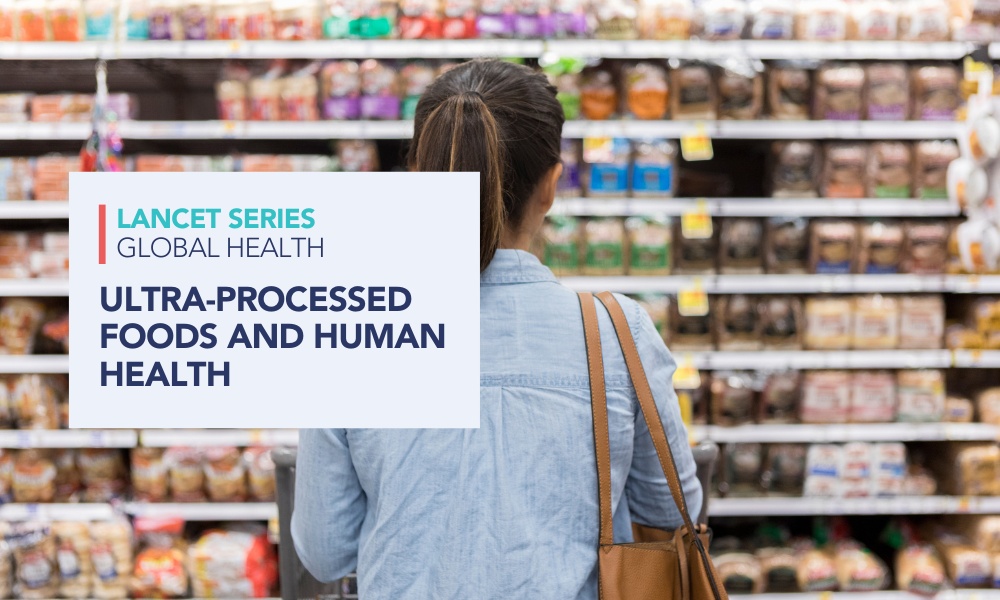
A major new Lancet Series published on 19 November warns that the rapid rise of ultra-processed foods (UPFs) in diets worldwide is driving obesity, fuelling noncommunicable diseases (NCDs), widening health inequities, and placing strain on health systems and the planet.
UPFs - the most heavily processed category in the NOVA classification (a system for categorising foods into four groups based on their level of industrial processing) - now make up around half of household food intake in many high-income countries, and consumption is accelerating across low- and middle-income countries. These products are engineered for hyper-palatability, aggressively marketed, and frequently displace traditional and minimally processed foods.
UPFs and rising health risks
The Series highlights strong and consistent evidence linking high UPF intake to increased risk of obesity, cardiovascular disease, type 2 diabetes, cancers, and other NCDs. These harms arise not from isolated products but from an overall dietary pattern in which UPFs dominate and healthier foods are crowded out.
Industrial processing also carries broader environmental costs - from fossil-fuel-intensive production to widespread plastic packaging - contributing to climate and environmental challenges.
READ THE SERIES

A system driven by corporate power
The analysis underscores how a small number of powerful global corporations control the UPF market. Their significant marketing budgets and political influence have shaped food systems, often obstructing effective public health regulation.
The authors conclude that individual behaviour-change efforts are insufficient in the face of these structural pressures.
"This change is fuelled by powerful global corporations who generate huge profits by prioritising ultra-processed products, supported by extensive marketing and political lobbying to stop effective public health policies." Carlos Augusto Monteiro
A call for stronger policies
The Series outlines a comprehensive package of interventions for governments and global bodies, prioritising:

Mandatory front-of-pack warning labels

Restrictions on UPF marketing, especially to children

Policies limiting UPF availability in public institutions

Taxes on UPFs and sugary drinks

Agricultural subsidies that support minimally processed, culturally relevant foods

Competition regulation and measures to curb corporate interference
Crucially, the authors emphasise equity, noting that UPF consumption is often highest in communities experiencing economic hardship. Any transition away from UPFs must ensure that healthier alternatives are accessible and affordable.
"The evidence is clear: Improving diets requires decisive government action to curb UPF production, marketing and corporate political influence, alongside major efforts to expand access to healthy, affordable food." Phillip Baker
A global opportunity for change
Transforming food systems requires coordinated leadership, strong regulatory frameworks, and collaboration across health, agriculture, trade, and civil society.
The Lancet Series provides evidence-based policy recommendations for countries at different stages of UPF consumption to limit harmful commercial practices and build healthier, more resilient food environments.
READ THE SERIESTransforming food systems requires coordinated leadership, strong regulatory frameworks, and collaboration across health, agriculture, trade, and civil society. The Lancet Series provides evidence-based policy recommendations for countries at different stages of UPF consumption to limit harmful commercial practices and build healthier, more resilient food environments.
World Obesity welcomes this important contribution and urges governments, partners, and international organisations to act decisively and confront the economic and political power of the UPF industry. Addressing UPFs is essential for protecting health, reducing NCDs, and building sustainable food systems for generations to come.
Reducing UPF consumption and ensuring access to minimally processed food should be considered a key part of the multisectoral approach needed to address obesity, alongside action in health, education, transport and other sectors.
World Obesity is developing a position statement on obesity and UPF, which will be published in the new year.
The Lancet series
This new Lancet Series explores the evidence linking UPFs to health and environmental harms, examines the commercial drivers behind their rise, and outlines policy options for reducing consumption.
Read the series