No UHC without obesity: leaders unite at UNGA81 breakfast roundtable
UN General Assembly High-Level Breakfast Meeting: 23 September 2026, New York City
Ahead of the 2027 UN High-Level Meeting on Universal Health Coverage, leaders at UNGA81 came together to explore how obesity can be built into stronger, fairer, and more sustainable health systems.
Why obesity matters for UHC
Obesity is putting growing pressure on health systems around the world, contributing to higher rates of noncommunicable diseases (NCDs), rising healthcare costs, lost productivity and widening health inequities. As development financing tightens, multilateral institutions evolve and countries prepare for the 2027 UN High-Level Meeting on Universal Health Coverage (UHC), there is a real opportunity to rethink where obesity sits on global health and development agendas. Building obesity prevention and management into health systems, primary healthcare and broader development goals will be key to achieving healthier populations, more resilient health systems, and sustainable development.
Convening leaders at UNGA81
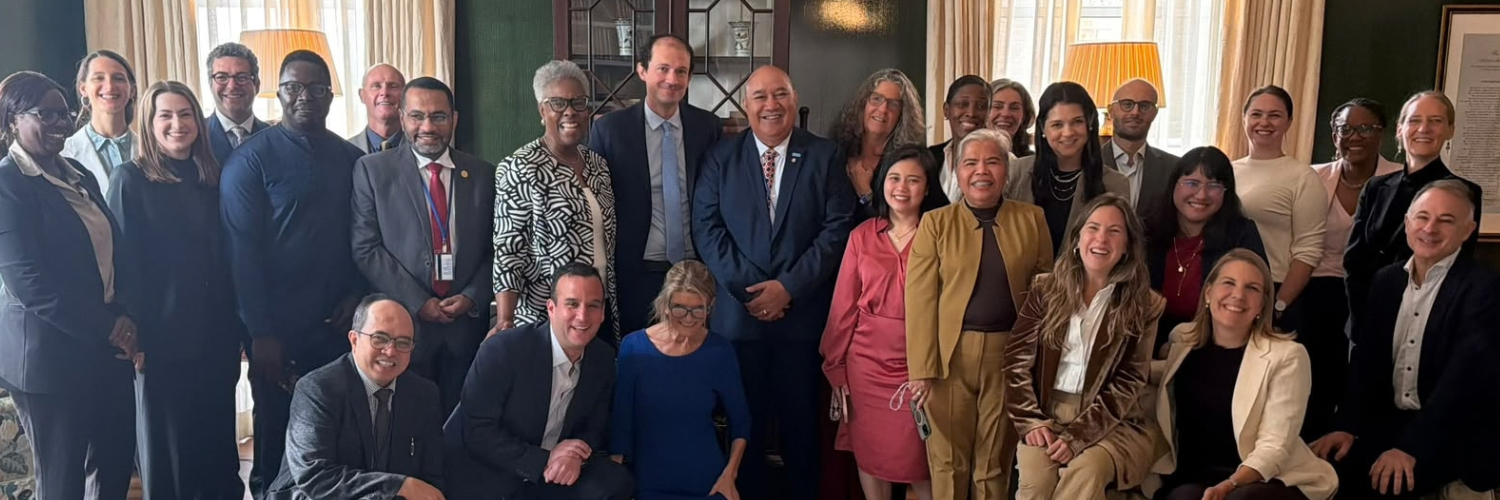
On the sidelines of the 81st session of the UN General Assembly, the World Obesity Federation convened a high-level breakfast roundtable, ‘Obesity, Health Systems and Sustainable Development’, at the River Club of New York. Co-hosted with the Arab Republic of Egypt, the Government of Thailand, and the Government of Kenya, the meeting brought together senior government leaders, international organisations, civil society, academia and the private sector, alongside people with lived experience of obesity.
Opening the roundtable, Dr Bruno Halpern, President of the World Obesity Federation, explained that the aim was not to simply restate the scale of the challenge. Instead, the session would explore what coordinated action could look like, where it is already happening, and where there are opportunities to go further.


A health, economic and sustainability issue
Speakers were clear that obesity can no longer be treated as a health issue alone. Dr Saia Ma'u Piukala, WHO Regional Director for the Western Pacific, described it as a health, economic and, increasingly, a sustainability issue. Countries pay twice, he explained, first through rising health expenditure and then through lost human capital. The question, he said, is not whether obesity is an issue, but how to ensure everyone takes it seriously.
In a video message, Dr Amporn Benjaponpitak, Director-General of the Department of Health at Thailand’s Ministry of Public Health, warned that without comprehensive action, rising healthcare costs, demand on health services, and NCDs linked to obesity will pose a growing challenge to the sustainability of Thailand’s health system.

"Obesity is a systemic issue, not simply an individual responsibility" Dr Amporn Benjaponpitak, Director-General of the Department of Health, Thailand
Countries shared examples of how they are already taking action
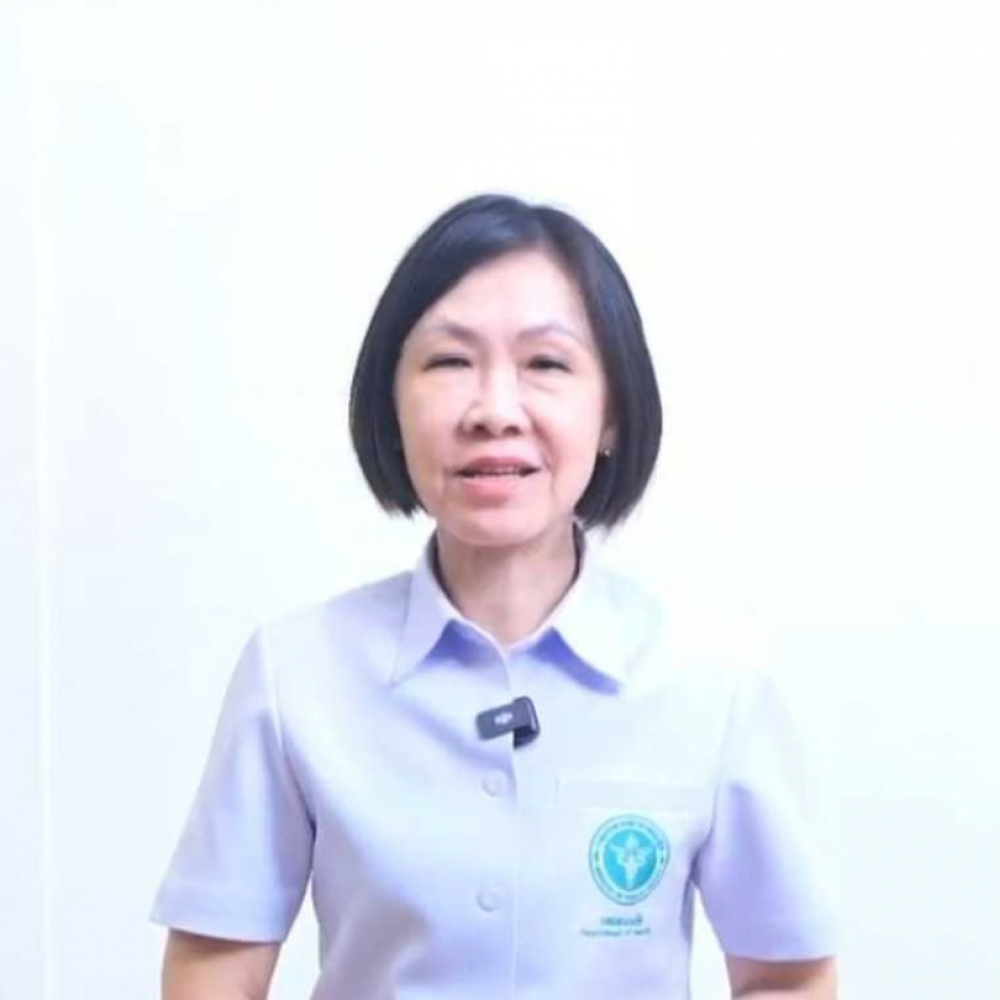
Thailand
As one of the frontrunner countries under the WHO Acceleration Plan to Stop Obesity, Thailand is taking action through its 'Four Transformations'. First, by transforming school food systems through the integration of Thailand’s Food-Based Dietary Guidelines into the national school lunch programme. Secondly, by creating healthier food environments through initiatives such as Healthy Canteens and Healthy Menus and a tax on sugar-sweetened beverages. Thirdly, by protecting children from the marketing of unhealthy food and beverages. Finally, Thailand is integrating obesity screening and management into both primary healthcare and community-based services.
Read More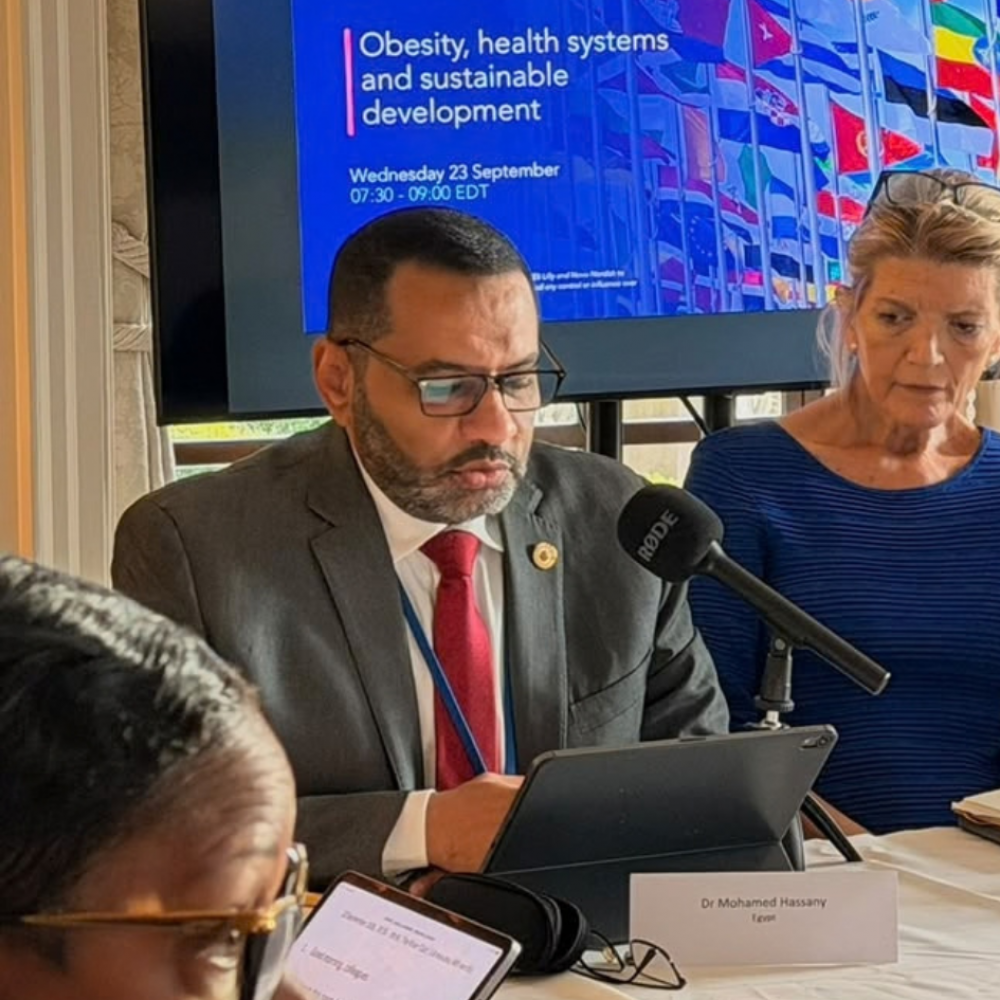
Egypt
Dr Mohamed Hassany, Egypt’s Minister of Health's Assistant for Projects and Public Health Initiatives, stressed that obesity cannot be addressed by the health sector alone. He pointed to encouraging progress made in Egypt through early intervention, and called for stronger and more coherent collaboration between governments to "translate our collective commitment into sustained action."
Read More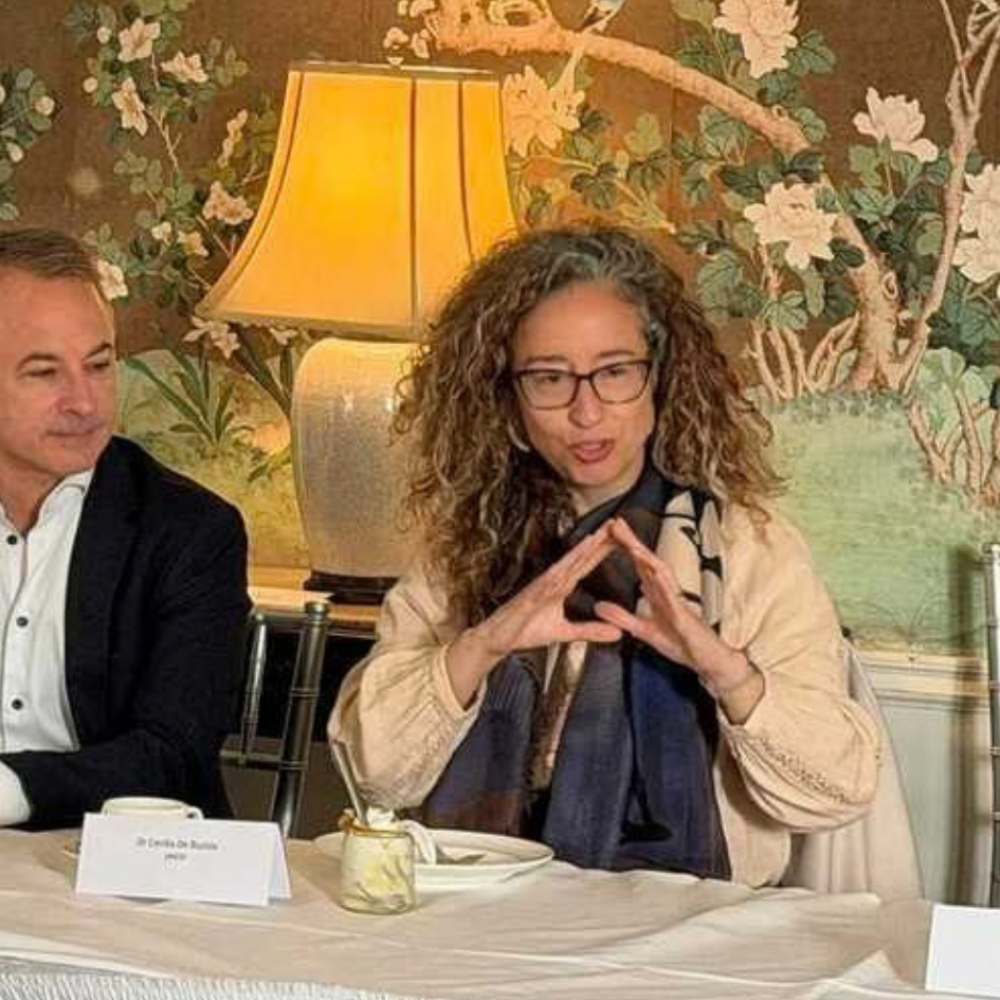
Mexico
In Mexico, a national regulation now prohibits the sale and marketing of ultra-processed foods and sugary drinks in schools. Through these restrictions and the promotion of healthy eating and physical activity, the Vive Saludable, Vive Feliz (Live Healthy, Live Happy) strategy aims to create healthier school environments. Dr Cecilia De Bustos, Chief of Nutrition at UNICEF Mexico, explained that last year, height and weight screenings reached over 11 million primary school children across the country. The focus is now on making sure that those children who need counselling and management receive it.
Read More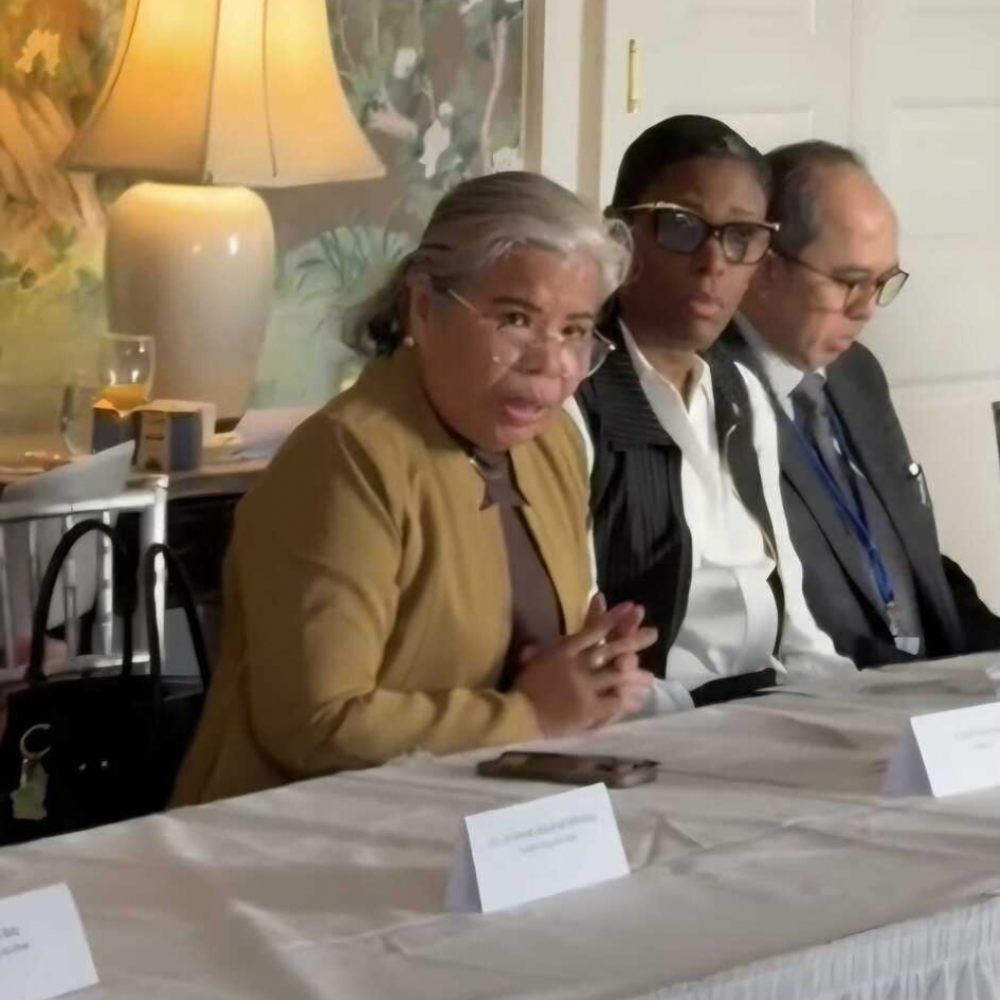
Philippines
The Philippines is responding to a double burden of malnutrition, with obesity rising while undernutrition persists. The Philippines’ 2023-2028 Plan of Action for Nutrition, alongside a national policy and strategic plan on overweight and obesity, supports prevention, management, regulation and research. The Philippine Nutrient Profile Model underpins front-of-pack labelling, restrictions on marketing to children, healthier government procurement and product reformulation. Dr Manatad also called for obesity to be further integrated into primary healthcare and UHC, supported by trained health workers, clear care pathways, and person-centred, stigma-free services.
Read More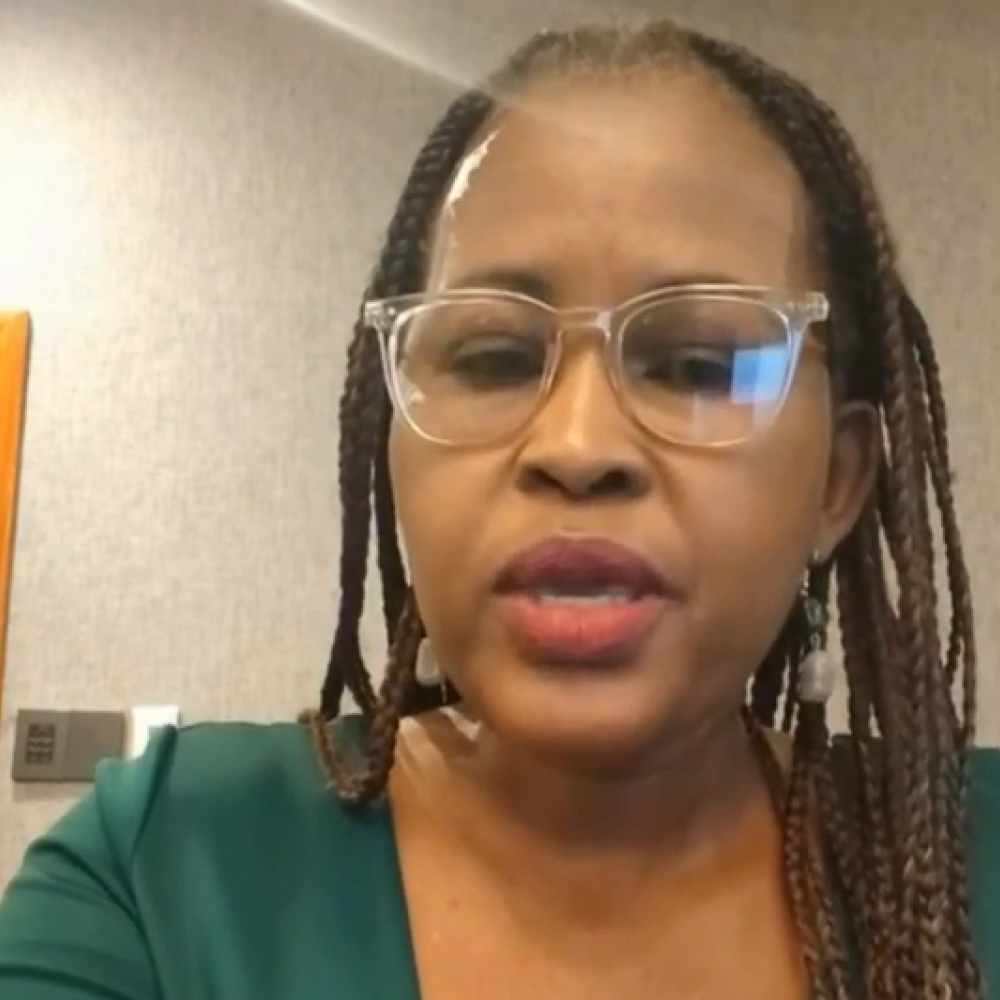
South Africa
In a video message, Ms Rebone Ntsie, Chief Director of Nutrition, Oral Health and Health Promotion at the Department of Health, South Africa, described obesity as one of the country’s most pressing public health challenges. Rising obesity is contributing to higher rates of diabetes, cardiovascular disease, cancer and other NCDs, putting pressure on health systems, families and the economy. South Africa’s strategy recognises that all sectors have a role to play, engaging government departments for education, agriculture, sport, social development and finance, as well as NGOs, professional bodies and, most importantly, people living with obesity. UHC must include access to prevention, early identification, evidence-based treatment and long-term support, she said, because addressing obesity is not an optional component of UHC but an essential one
Read MoreBuilding stronger, more equitable health systems
Moderating the discussion, World Obesity Trustee Dr Karen Sealey invited participants to share ideas on how obesity can be positioned as a critical component of sustainable, resilient and equitable health systems.
For Dr Elizabeth Onyango, Head of the Division of Non-Communicable Disease Prevention and Control at Kenya's Ministry of Health, obesity must be integrated throughout health systems rather than treated as a standalone issue. That includes screening, prevention, counselling and awareness, and a clearly defined benefit package that explicitly covers obesity care. It also means changing how obesity is framed within health systems, and within society. In Kenya, she explained, obesity is not treated as a disease, and people are often told to deal with it themselves, while slimness is associated with illness. Positioning obesity as an essential part of health systems will require changing these perceptions.


"The conversations on universal health coverage cannot really happen if we leave obesity out of it." Dr Elizabeth Onyango, Head of the Division of Non-Communicable Disease Prevention and Control, Ministry of Health Kenya
Other key priorities emerged from the discussion:
-
Better data: Dr Rhonda Sealey-Thomas, Assistant Director of the Pan American Health Organization (PAHO), highlighted that there is a need for the right data, not just more data. Countries need data disaggregated by sex, region and income to understand who is most affected and design targeted responses. This type of data is particularly difficult to collect in small island states with limited resources. PAHO’s work to build capacity in these countries is enabling more detailed data collection. Stronger evidence will enable ministries of finance, labour and agriculture, not only health, to recognise their role.
-
Financing: Paula Johns of ACT Health Promotion stated that the issue is often not a lack of resources but where they are directed. Spending on obesity prevention and management is not prioritised. Drawing on her experience in Brazil, she stressed how difficult it is to implement and protect health taxes in the face of constant industry lobbying. Alexey Kotov of Vital Strategies noted that policymakers often hesitate to act on obesity because they do not see clear solutions, so the case for 2027 must come with credible answers. He described taxes on sugary drinks and unhealthy products as a “win-win”, generating revenue that could support treatment while acting as prevention. He also called for the pricing of effective obesity medicines to be revisited so they reach more people. Jeremy Veillard of the World Bank also discussed the Bank’s growing work to address obesity and NCD risk factors as part of its goal to reach 1.5 billion people with UHC by 2030.
-
Collaboration across the NCD community: Dr Joanna Laurson-Doube of the NCD Alliance highlighted points of intersection in the NCD space, such as addressing the social and commercial determinants of health. Rosie Tasker of the Union for International Cancer Control pointed to opportunities for obesity to be integrated into national cancer control plans given its strong links with cancer, particularly postmenopausal breast cancer. She added that the Accra Reset’s “one plan, one budget” approach offers a chance to engage directly with governments and bring obesity into NCD plans.
-
Common measures: Professor Jeffrey Lazarus of the CUNY Graduate School of Public Health and Health Policy and ISGlobal thanked Egypt and partners for helping secure the first World Health Assembly resolution on steatotic liver disease, a condition long overlooked in global health discussions. Recognition is only the beginning, he said. The next step is implementing the resolution’s priority actions and monitoring progress, ideally using existing obesity and diabetes indicators rather than creating parallel systems.
Lived experience at the table
People with lived experience of obesity brought the realities of living without fair access to treatment to the conversation.


Ogweno Stephen, World Obesity Lived Experience Trustee, spoke about growing up with obesity in Kenya, where treatment is not covered by health insurance. Families are left paying out of pocket, sometimes selling their possessions, and desperation for care leaves them vulnerable to knock-off drugs and fad diets promising fast weight loss. Without universal recognition of obesity as a disease, he explained, people will struggle to secure insurance coverage and access to diagnosis, medicines and continuing care. International recognition also gives advocates the authority to press their governments for action
Lived experience advocate Morgan Salmon described the emotional toll of having to fight for appropriate care across four different national health systems, including the sense of failure when a treatment doesn’t work. He urged leaders to recognise that toll and the personal stories behind the statistics. Health systems collect data, Morgan said, but rarely measure what people experience, including what happens when treatment doesn’t work and people feel lost again.
"There is no UHC without obesity" Ogweno Stephen, Lived Experience Trustee, World Obesity Federation
Looking ahead to 2027
Participants agreed that the 2027 High-Level Meeting on UHC will be a critical opportunity to secure obesity’s place in UHC. Dr Sealey-Thomas noted that political declarations can build momentum, and that explicit recognition of obesity in the next one could shape future action and bring greater global attention to the issue.
Dr Benjaponpitak also described the High-Level Meeting as an important opportunity to position obesity prevention and management as a core part of sustainable, resilient and equitable health systems. No country or organisation can address obesity alone, she said, and Thailand is ready to stand with all partners to transform commitments into concrete action.
Dr Onyango highlighted also highlighted the unequal burden of obesity. Obesity was once assumed to be a “rich man’s disease”, she explained, but it is increasingly affecting people in lower socioeconomic groups, who are often least able to afford care. Many low- and middle-income countries (LMICs) face a dual burden of malnutrition, with obesity rising while undernutrition persists, and will need greater support to address both at once. UHC must deliver access to quality obesity services without catastrophic costs, with policies that reduce stigma and protect the most vulnerable.


Looking to 2027, Dr Onyango urged the obesity community to arrive with a clear, unified voice and message. She also stressed that commitments in a political declaration must translate into sustained country action.
Dr Piukala set out what is needed for the next phase of action: scale, speed and accountability. Doing more of the same and expecting a different result is not a strategy, he argued. Countries must learn from what works and stop investing in solutions that are not delivering impact. He also warned that delay carries a cost. Every year without action, more children are affected and the economic burden grows. Making obesity real for people is essential, he said, because behind every statistic is a child, a family and a future, and obesity can follow a child for a lifetime.
"We need to appear at the High-Level Meeting with a unified message; the voices have to be one" Dr Elizabeth Onyango, Head of the Division of Non-Communicable Disease Prevention and Control, Kenya
Closing the meeting, Johanna Ralston, CEO of the World Obesity Federation, emphasised that no country, and no person, is immune to obesity. There are now over one billion people living with obesity, the majority of whom live in LMICs, where rates are also rising fastest. New guidelines on GLP-1 medicines are not a silver bullet, she said, but they do offer real opportunities, as long as shame and stigma no longer prevent people from seeking care.
Continuing the conversation in Madrid
Our annual flagship event, the Global Obesity Forum, comes to Madrid, Spain this year. Building on momentum from UNGA81, the 2026 Forum will focus on shared accountability for progress on obesity. Through interactive discussions, voices from across the obesity community will explore what shared accountability means in practice, and how meaningful participation can contribute to sustained progress on obesity towards 2030.
Register to watch the free livestream of the event.
Register nowWorld Obesity acknowledges the financial support of Eli Lilly and Novo Nordisk to facilitate the logistics of this event. Neither company had any control or influence over materials or activities related to this event. You can find more information on how we engage with partner organisations here.